Why Do People Recommend CBD, Melatonin, and Magnesium Together?
If you’ve ever browsed health forums or gamer Discord servers looking for ways to improve your sleep or manage stress, you’ve probably noticed the buzz around stacking melatonin, magnesium, and CBD. This trio is becoming a popular “sleep stack” recommended to help wind down after long sessions or competition anxiety. But what’s the story behind these supplements? Why do many people, including gamers and athletes, suggest combining them? And how should you navigate the many options out there, from gummies to oils?
In this post, we’ll break down:

- What CBD actually is, how it differs from THC, and why legal hemp products usually have under 0.3% THC
- The science backing CBD, melatonin, and magnesium for anxiety, sleep, and performance
- Important caveats about dosing discrepancies—especially when comparing clinical studies to common supplement servings
- How reputable companies like Joy Organics fit into the landscape
- Relevant notes about regulation, including the FDA’s stance and the World Anti-Doping Agency’s guidelines for athletes
CBD Basics: What It Is and What It Isn’t
CBD, or cannabidiol, is one of many cannabinoids found in cannabis plants. Unlike its more famous cousin THC (tetrahydrocannabinol), CBD is non-intoxicating. It doesn’t produce the “high” associated with marijuana use.
Legally, most reputable products come from hemp, defined as cannabis with less than 0.3% THC by dry weight. This threshold is crucial: it legally separates hemp (which is legal federally in the US) from marijuana. Many companies, such as Joy Organics, focus on hemp-derived CBD to ensure compliance and avoid psychoactive effects.
Why The 0.3% THC Threshold Matters
This cutoff is set by the 2018 Farm Bill in the US, which legalized hemp cultivation. Too much THC means the product is considered marijuana, which remains federally illegal (though state laws vary). For consumers, products staying below 0.3% THC mean:
- No intoxicating effects or “getting high”
- Legality across most of the US
- Less risk of positive drug tests, though caution is warranted
Note: “Full spectrum” products include trace cannabinoids, including THC within that legal limit. But “full spectrum” does not mean stronger or more effective by default—it just means more compounds besides CBD are present, which may or may not impact effects.
Melatonin and Magnesium: The Sleep Stack Gamers Rely On
Alongside CBD, melatonin and magnesium are staples in sleep-support routines, especially for gamers who need to recalibrate after late-night matches or intense practice sessions.
Melatonin: The Body’s Sleep Messenger
Melatonin is a hormone naturally produced by your pineal gland that regulates circadian rhythms—think of it as your body’s internal clock signal telling you when it’s time to sleep. Many supplements use low doses to help people adjust to jet lag or improve sleep onset.
Key notes:
- Doses in clinical studies often range from 0.3 mg to 5 mg; high doses can cause grogginess the next day.
- Melatonin is not a sedative. Instead, it cues your body that it’s nighttime.
- Using melatonin works best when paired with solid wind down habits, like dimming lights and reducing screens.
Magnesium: The Relaxation Mineral
Magnesium plays a role in muscle relaxation, nerve function, and even calming the nervous system. Many people are low on magnesium due to diet or chronic stress, making supplementation appealing for easing restlessness.
In particular, forms like magnesium glycinate or citrate are common in sleep stacks. Supplemental magnesium may:
- Help reduce nighttime leg cramps and twitching
- Support GABA neurotransmitter activity to promote calmness
- Complement melatonin and CBD’s effects for a more comprehensive approach to relaxation
CBD, Melatonin, and Magnesium: Evidence Strength and Real-World Use
Each ingredient in this trio brings something different to the table, but how solid is the evidence? Here’s a breakdown of where science currently stands.
Supplement Primary Supported Benefits Evidence Strength Notes CBD Anxiety reduction, mild sleep improvement, anti-inflammatory Moderate. Stronger for anxiety; modest for sleep Many clinical trials use purified, pharmaceutical-grade CBD doses higher than typical gummies Melatonin Sleep onset, circadian rhythm regulation Strong for sleep timing; weak for improving sleep quality Works best in combination with healthy wind down habits rather than as a lone fix Magnesium Improved relaxation, muscle and nerve function Moderate; some studies show benefit for insomnia symptoms but variable results Optimal form and dose vary by individual; excess can cause digestive upsetCBD for Performance and Recovery: What About Athletes and Gamers?
The World Anti-Doping Agency (WADA) permits CBD use, as it’s not a banned substance. This has made CBD a go-to for athletes and esports competitors seeking natural options to manage anxiety or recover after competition.
However, keep in mind:
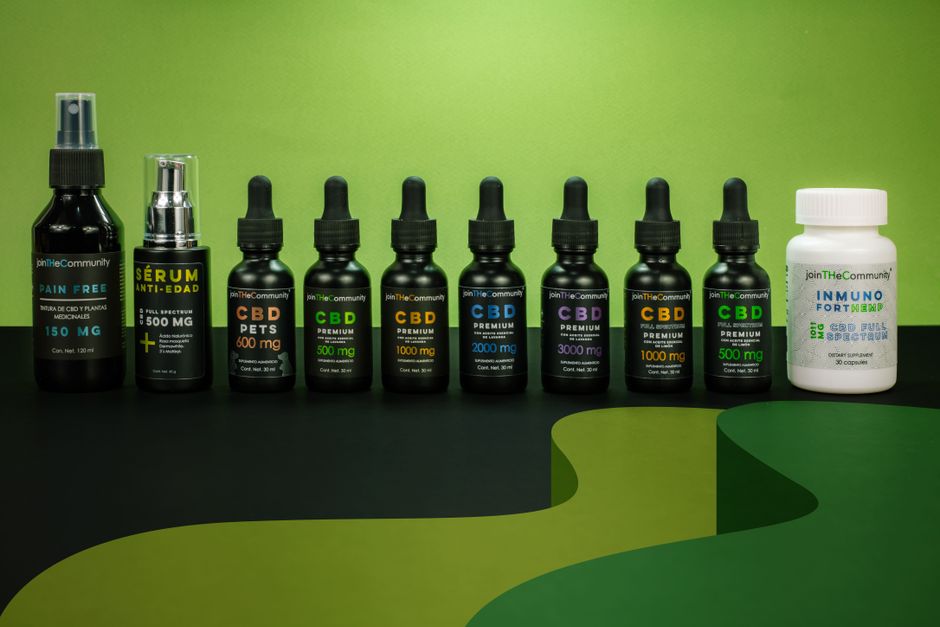
- Some hemp products can contain trace THC that causes positive drug tests; buy from reputable brands that provide batch lab reports.
- CBD’s impact on actual performance is not well studied—most benefits are indirect via improved sleep and anxiety reduction.
- Gaming performance improvements rely heavily on subjective experience and routine consistency.
Dosing Mismatch: Why Gummies Don’t Mirror Clinical Studies
This is one of my biggest pet peeves when discussing melatonin magnesium CBD combinations. Study dosages and supplement servings often don’t line up.
- CBD clinical trials use doses from 100 mg up to 600 mg/day for anxiety but most gummies have 10–25 mg per serving.
- Melatonin doses in studies vary widely; many supplements use 3 mg gummies even if lower doses might be preferable for you.
- Magnesium doses to improve sleep vary but typically fall between 200–400 mg/day, which may require multiple gummies or powders.
Always check the amount of active ingredient per serving and compare it to clinical expectations. It’s why I trust brands like Joy Organics that provide detailed batch lab reports—you can see the mg per dose actually present.
Regulatory Landscape: What the FDA Says About These Supplements
The FDA regulates melatonin and magnesium as dietary supplements. CBD occupies a gray area since the FDA has only approved one CBD-based drug (Epidiolex) and does not allow companies to make specific health claims for their products.
This means:
- CBD products cannot legally claim to cure, treat, or diagnose any disease, including anxiety or sleep disorders.
- Quality and authenticity vary widely; verifying third-party lab reports is critical.
- Consumers should be wary of “miracle” marketing claims with no clinical support.
Brands like Joy Organics emphasize transparency and compliance to avoid FDA scrutiny while delivering quality products.
Final Thoughts: Should You Try This Sleep Stack?
Stacking melatonin, magnesium, and CBD can be a thoughtful approach to managing anxiety, sleep, and recovery—especially within healthy wind down habits. But keep these points in mind:
- Start low and slow. Dosing varies widely; try low doses first to see how your body reacts.
- Don’t rely solely on supplements. Good sleep hygiene, consistent bedtimes, and screen management matter most. tribality.com
- Choose reputable brands. Prioritize those with accessible batch lab reports certifying THC content and CBD potency. Joy Organics is a good example to consider.
- Beware of drug interactions. CBD can alter how your liver metabolizes certain medications.
- Consult healthcare providers before combining supplements or if you have chronic issues.
If you’re a gamer or athlete seeking a better night's sleep or less stress before a big match, this stack can be part of a balanced approach. Just remember, the magic isn’t in the gummies alone—it’s in the consistency and overall lifestyle you cultivate.