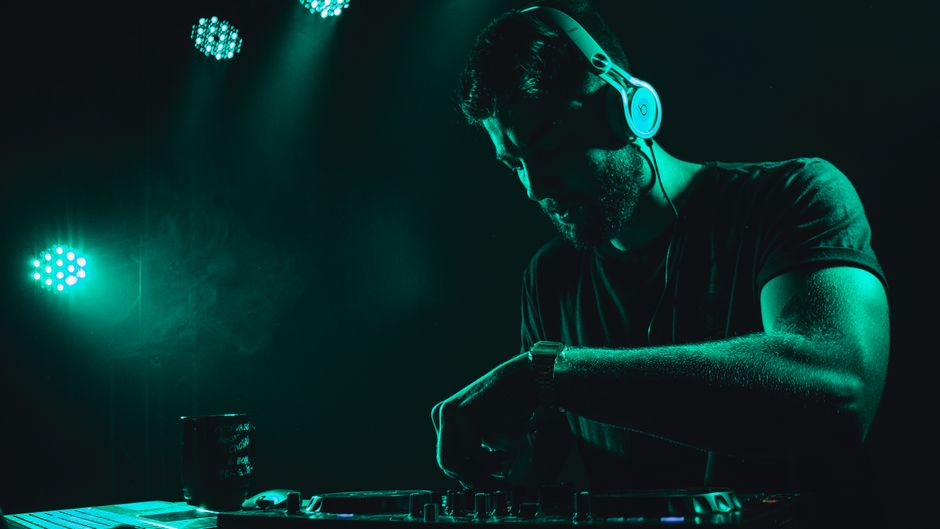
Why Do I Feel Like My Mixes Get Worse When I'm Sleep Deprived?
Whether you’re a bedroom DJ or spinning floorside while on tour, you’ve probably noticed a frustrating pattern: after a night of poor or insufficient sleep, your mixes just don’t land the same. Your transitions feel clunkier, your track selections don’t flow as naturally, and that pinpoint timing that usually comes with practice seems... fuzzy. You might chalk it up to bad luck, or blame that funky USB stick you grabbed from the flight case, but there’s more going on beneath the surface. Understanding why sleep deprivation erodes your reaction time, attention, and ultimately your performance quality is key to getting ahead in the nightly grind—and to keeping your sets consistently sharp.
The Circadian Rhythm and Its Impact on DJs
At the heart of sleep’s importance https://highstylife.com/festival-backstage-quiet-space-does-it-actually-help-artists-recover/ is your body’s internal clock: the circadian rhythm. This roughly 24-hour cycle governs when you feel alert, when you crave sleep, and how your cognitive functions ebb and flow. Light cues—especially natural daylight—are the primary synchronizers of this rhythm.
For DJs trekking through nighttime club schedules or jetting across time zones, these natural cues get disrupted. Your internal clock expects to rest during the night when it’s dark and be awake when it’s light. When you flip your schedule to work overnight gigs, your circadian rhythm can become misaligned. This misalignment results in poorer sleep quality and quantity, which directly impacts reaction time and attention lapses.
Real-World DJ Scenario:
Imagine you’ve packed your best USB sticks loaded with meticulously curated tracks into your trusted flight case, ready for a weekend of back-to-back shows across time zones. Each night, you’re starting later and waking up later—or sometimes not at all before hopping on a plane. Your body’s natural clock is confused, leading to a cumulative sleep deficit. Even if you get “enough” sleep in terms of hours, the timing is off, and your brain isn’t at full alertness during your set.
Shift Work Research and DJ Scheduling: What Science Tells Us
The patterns DJs follow often resemble shift work, a mode of employment extensively studied in occupational health research. Shift work disrupts the circadian rhythm and leads to increased risks of fatigue, errors, and decreased cognitive performance.
Studies show that performance on tasks requiring vigilance, rapid reaction, and sustained attention drops markedly during biological “night” hours or after consecutive nights of insufficient sleep. DJs aren’t just cruising through playlists—they’re actively reading a room, mixing on the fly, managing equipment, and deciding what track will escalate or deescalate energy, often all while under the effects of fatigue.
Common Shift Work Findings Relevant to DJs:
- Reaction time slows dramatically: Delays of even a few hundred milliseconds can throw off beatmatching precision.
- Attention lapses increase: Momentary zoning out leads to missed cues, clumsy fades, or awkward track selections.
- Overall performance quality declines: Sets feel “off,” energy dips, and improvisation suffers.
In many cases, even experienced performers report a feeling that “the music isn’t clicking,” which isn’t subjective—it’s the neurological impact of sleep loss manifesting in your work.
Flipping the Schedule: Weekend Touring and Sleep Challenges
The typical weekend gig schedule—playing late Friday to Sunday nights—means you’re often sleeping during the day. When your weekend ends, you try to quickly flip back to a daytime schedule for your “normal” week. This constant schedule flipping is a known nightmare for circadian stability.
If you’re loading up the flight case with gear for a weekend run, and packing USB sticks full of backup mixes, consider how jet lag and inconsistent sleep windows disrupt your brain’s preparedness to perform. You might think you can “bank” sleep or nap on planes, but irregular timing and poor sleeping conditions make these less effective than a consistent routine.
Tips for Managing Flipped Schedules:
- Maintain consistent sleep/wake times even during weekends where possible.
- Use blackout curtains at your hotel or Airbnb—keep a running list of your stays that have failed you here.
- Limit blue/bright light exposure after gigs to prepare your body to rest.
- Plan your set times and wake times carefully, counting the hours between to avoid cumulative sleep debt.
Time Zones and Routing Tradeoffs—What’s Best For Your Performance?
Touring is not just about shipping gear and packing USB sticks; it’s a balancing act between travel, rest, and stage time. Your route will heavily influence your sleep quality and the demands on your circadian system.
Routing Option Impact on Circadian Rhythm Sleep Quality Performance Outcome Multiple quick hops across time zones High circadian disruption Poor, fragmented sleep Increased reaction delays, attention lapses Intensive cluster gigs in one time zone Minimal circadian disruption Better sleep consistency Higher performance quality Long layovers with hotel stays and rest Moderate circadian adjustment Improved sleep opportunity Better reaction times and attentionChoosing a path that allows recovery between sets isn’t just luxury—it’s a performance necessity. That packed flight case might have all the gear you need, but it can’t pack a well-rested brain.
Closing Thoughts: Prioritize Sleep to Protect Your Mix
It’s easy—especially in the electronic and club scene—to romanticize overnight sets, all-nighters, and “the grind.” But science and real-world experience both show that sleep deprivation hurts your performance quality. It slows reaction time, causes attention lapses, and makes your mixes sound less polished.
Pay attention to your sleep timing, use blackout curtains to mimic night when you need to, and alcohol and sleep fragmentation respect your circadian rhythm as much as you respect your playlist. Your USB sticks and flight case gear will work best when your brain does.