What Should I Check Before Buying CBD Gummies at a Convenience Store?
CBD gummies have surged in popularity as a convenient, tasty way to explore the benefits of cannabidiol without the hassle of tinctures or vapes. But before you toss a pack into your basket at the local convenience store, it’s critical to know what you’re really getting—and what questions to ask to avoid common pitfalls.
In this guide, we’ll break down the essentials you need to review before buying CBD gummies: the fundamentals of CBD vs THC, hemp legality standards, the strength of evidence for different uses, the dosing gap between clinical studies and typical gummies, and how to spot red flags in product testing. Along the way, we’ll mention brands like Joy Organics, refer to important oversight from organizations like the FDA and the World Anti-Doping Agency (WADA), and arm you with practical tips like checking the batch lab report CBD for contaminants testing.
CBD Basics and THC Distinctions
First, a quick primer on what CBD actually is. Cannabidiol (CBD) is a non-intoxicating compound found in hemp and marijuana plants. Unlike THC (tetrahydrocannabinol), which is psychoactive and responsible for the "high" in cannabis, CBD does not produce intoxication or euphoria. This key difference means many users seek CBD for potential relaxation and wellness effects without getting high.
However, here’s a common misconception: not all CBD products are THC-free. Some gummies labeled "full spectrum" contain small amounts of THC, as the compound naturally coexists with CBD in hemp extracts. If avoiding THC is important for drug testing or personal reasons, opt for "broad spectrum" or "CBD isolate" products, which should have non-detectable or zero THC.
Here's what kills me: the world anti-doping agency (wada) explicitly prohibits thc in athletes. So if you compete, it's critical to verify the THC content of your gummies to prevent unintentional doping violations.
Hemp Legality and the 0.3% THC Threshold
In the U.S., the 2018 Farm Bill federally legalized hemp and hemp-derived CBD, but with an important caveat: the THC content must be below 0.3% on a dry-weight basis. This THC threshold is the legal dividing line between hemp and marijuana.
When buying convenience store CBD gummies, you want to be sure the product adheres to this limit. Gummies with THC over 0.3% may be illegal under federal law and subject to seizure or fines. Also, some states have their own stricter regulations.
Unfortunately, this THC cap cannot be reliably checked by just reading the label, which often is vague or can be misleading. Therefore, quality brands provide up-to-date third-party batch lab reports that confirm THC levels, purity, and absence of contaminants. Brands like Joy Organics are known for transparency, regularly posting Certificates of Analysis (COAs) that include THC verification.
Evidence Strength: Anxiety vs Sleep vs Performance
People buy CBD gummies primarily for potential wellness benefits: reducing anxiety, improving sleep, or enhancing physical and mental performance. So before assuming gummies will fix your issue, here’s what the scientific research actually supports.
- Anxiety: Some small clinical trials suggest CBD can reduce anxiety symptoms in people with social anxiety disorder and public speaking fears. However, these studies typically involve high doses administered under medical supervision, and results aren’t guaranteed for everyone.
- Sleep: The evidence for CBD improving sleep quality is mixed. Some people report subjective improvements, but controlled studies have yet to establish consistent benefits. CBD might help indirectly by reducing anxiety that interferes with sleep.
- Performance: Claims that CBD boosts exercise or cognitive performance often outpace the evidence. While CBD's anti-inflammatory and analgesic properties may aid recovery, direct performance enhancement is not well-proven, and WADA maintains THC is banned for athletes—even if CBD itself isn't.
In sum: CBD shows the strongest early signals for anxiety reduction but is far from a cure-all or magic sleep aid. Your expectations should be tempered accordingly.
Dosing Mismatch Between Studies and Gummies
One of the biggest challenges consumers face is the huge gap between the CBD doses that clinical studies use and the relatively low amounts found in most gummies.
Use Case Typical Clinical Study Dose (mg/day) Average CBD Content per Gummy (mg) Number of Gummies Needed to Match Study Dose Anxiety 300 - 600 mg 10 - 25 mg 12 - 24+ gummies Sleep 40 - 160 mg 10 - 25 mg 2 - 16 gummies Performance/Recovery 50 - 300 mg 10 - 25 mg 2 - 30 gummiesEating a dozen or more gummies to reach study-level doses https://bizzmarkblog.com/what-should-i-email-my-esports-org-about-cbd/ isn’t practical and can be expensive—and leads to undesirable side effects from other ingredients (sugar, additives). Most convenience store gummies are formulated for recreational daily use, not clinical efficacy. This dosing mismatch is a crucial piece of info that many sponsorships or marketing campaigns gloss over.
Why Checking Batch Lab Reports and Contaminants Testing Matters
Here’s where many shoppers drop the ball: assuming the label tells the whole story. Unfortunately, CBD gummies have been caught with everything from mislabeled potency to harmful contaminants like pesticides, heavy metals, and residual solvents.

The only way to verify what’s really inside your gummy pack is to check the batch lab report CBD, also known as a Certificate of Analysis (COA). These third-party tests measure:
- CBD and THC content: Confirm actual cannabinoid levels and ensure THC is below legal limits.
- Contaminants testing: Look for pesticides, heavy metals (lead, arsenic), microbial contaminants, and residual solvents.
- Potency and uniformity: Verify that cannabinoid amounts match the label and are consistent across batches.
Brands like Joy Organics set a good example by transparently publishing their lab reports online and updating them regularly. Before grabbing gummies at a convenience store, see if you can scan a QR code or visit the manufacturer’s website to view batch-specific lab results.
The FDA has also issued warnings about unregulated CBD products making unsupported health claims and containing contaminants. Since convenience stores usually stock products sourced from multiple suppliers, the risk of subpar quality is higher than from brand-direct retailers.
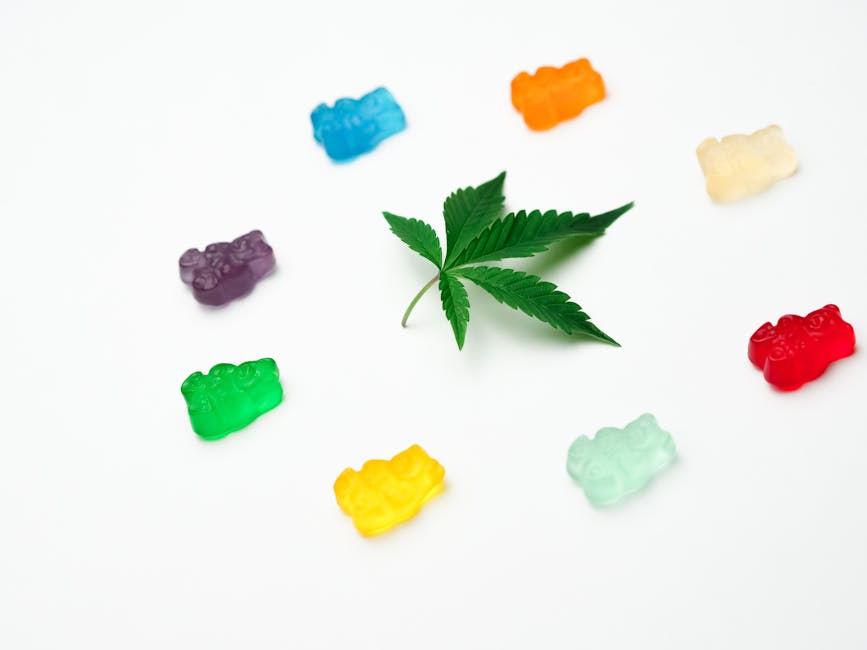
10 mg CBD gummyAdditional Tips Before Buying CBD Gummies at a Convenience Store
- Look for Clear Labeling: Check that the product specifies the amount of CBD per serving and the total servings per container.
- Prefer Hemp-Derived CBD: Confirm the product states "hemp derived CBD" to ensure compliance with federal law.
- Avoid Wild Claims: Be wary if the packaging promises to "cure" anxiety, insomnia, or other medical conditions without any disclaimers.
- Check Ingredients: Watch out for unnecessary fillers, artificial colors, or excessive sugars, especially if you have dietary sensitivities.
- Research the Brand: Recognizable names like Joy Organics have a reputation for quality and transparency. Unknown brands may lack accountability.
Summary: What Matters Most When Picking Convenience Store CBD Gummies
Buying CBD gummies at a convenience store can be a quick, easy way to sample hemp-derived products, but it’s also rife with risk without proper scrutiny. Always verify:
- The difference between CBD and THC—and what the gummy contains
- That the product is hemp-derived and complies with the 0.3% THC legal threshold
- Whether scientific evidence backs your intended use (anxiety > sleep > performance)
- If the actual dosing in gummies realistically matches clinical study levels
- If a current batch lab report CBD is available and includes contaminants testing
By ignoring these factors, consumers place themselves at risk for disappointing effects, legal trouble, or even health hazards. But with informed decision-making, it’s possible to enjoy the potential benefits of CBD gummies safely and effectively.
If you want to skip the guesswork, brands committed to quality and transparency—like Joy Organics—make it easy to verify what’s inside each batch and that their products stay compliant with regulatory agencies like the FDA. Stay curious, check those lab reports, and don’t fall for hand-wavy science or hype. Your health and wallet will thank you.