What Does an Achilles Rupture Feel Like in Pickleball?
Pickleball has taken the Suncoast by storm, and if you’re playing mornings as often as I do—counting my warm-up minutes out loud—you’ve probably heard some vivid injury stories from the benches. Among the more dramatic tales is the dreaded Achilles rupture, a sudden, often career-changing injury that sends players straight to the sidelines. But what exactly does an Achilles rupture feel like on the court? Spoiler: it’s not always the “felt like kicked in the leg” moment players expect.
As someone who’s spent nearly a decade interviewing orthopaedists, physical therapists, and rec-league athletes, I can tell you the biggest culprit isn’t always a single explosive move but rather overuse and frequency—especially in aging tendons.
The Classic “Felt Like Kicked in the Leg” Tale—But Is It Always So Clear?
Most players who suffer an Achilles rupture describe a sudden, sharp pain—a feeling akin to a “felt like kicked in the leg” blow or hearing a “sudden pop in calf.” It often happens when turning around quickly, expecting someone at the net or spiking a ball. The immediate aftermath is usually a loss of plantarflexion strength (pushing off the ball of your foot) and difficulty bearing weight.
However, I always ask injured players, “What changed in the last two weeks?” because a rupture rarely strikes out of the blue. The Achilles tendon is a https://www.sarasotamagazine.com/advantagepoint/2026/08/pickleball-is-wrecking-everyone-s-shoulders slow adapter, especially as we age, so repeated microtrauma from frequent playing sessions without adequate rest often sets the stage for failure.
Why Aging Tendons Are More Vulnerable
Older players, especially those in their 50s and beyond, might notice subtle discomfort, tightness, or stiffness that ramps up with continuous matches. This isn’t mere soreness—it’s the tendon struggling to handle sudden loads and less able to bounce back quickly. And when the tendon finally gives, it’s often not from a single dramatic move but a cumulative overload.
- Reduced blood supply: Tendons don’t get as much blood as muscles, and with age, circulation further diminishes.
- Collagen changes: The tendon’s collagen fibers become less organized and stiffer, making them more prone to tears.
- Slower healing: Microtears accumulate over days or weeks before culminating in a rupture.
Overuse & Frequency: The Silent Injury Drivers
If you’re playing pickleball five or six times a week without incorporating rest and recovery strategies—especially warm-ups that last a full 8-10 minutes—you’re setting yourself up for tendon trouble. I always keep a light resistance band in my paddle bag to gently mobilize calves and ankles during warm-up and cooldown. Skipping these steps might save time upfront but risks longer downtime later.
Many players fall into the trap of blaming their paddle or blaming a single “bad move” when the story is almost always overuse. A sudden rupture is frequently the final chapter of an overuse story.
Less Known, But Related: Rotator Cuff and Elbow Pain Stories
While we’re on the subject of pickleball injuries, let’s not ignore the upper body. Many players don’t realize that rotator cuff irritation can manifest as night pain or challenges reaching behind their back. Overhead smashing without proper mechanics or recovering from fatigue leads to inflammation.
Similarly, elbow pain often stems from a combination of tight grip and arm-dominant mechanics rather than the paddle itself. Players who rely too heavily on arm strength instead of engaging their core and legs tend to overload their elbow tendons, leading to tendinitis.
Recovery and Support: How Organic CBD Gummies Might Help
In my interviews with PTs and orthos, I keep tabs on promising adjunct aids to help players get back on court. Many have mentioned Joy Organics and their organic CBD gummies as part of a holistic approach to recovery. While not a miracle fix—don’t fall for that language!—CBD products can complement rehab by reducing inflammation and improving sleep quality.
As always, consult your healthcare provider before starting any new supplement or treatment. If you do try Joy Organics products, their commitment to organic ingredients and rigorous testing ensures safety and quality.
Practical Tips to Prevent Achilles Rupture and Related Injuries in Pickleball
- Always warm up fully: Count your warm-up minutes out loud, aiming for at least 8-10 minutes including dynamic stretches, calf raises, and light jogging.
- Listen to your body: If achilles discomfort rises over two weeks, scale back frequency or modify activity—don’t push through persistent pain.
- Incorporate strength training: Eccentric calf exercises build tendon resilience and lower injury risk.
- Rotate rest days: Frequency drives injury—schedule at least 1-2 full rest days per week.
- Use supportive footwear: Proper shoes help absorb sudden loads and protect ageing tendons.
- Address upper body mechanics: Work on rotator cuff and forearm strength to prevent compensations that strain other areas.
- Consider adjunct recovery aids: Supplements like Joy Organics organic CBD gummies may help calm inflammation and promote restful sleep during recovery.
Photo Credit
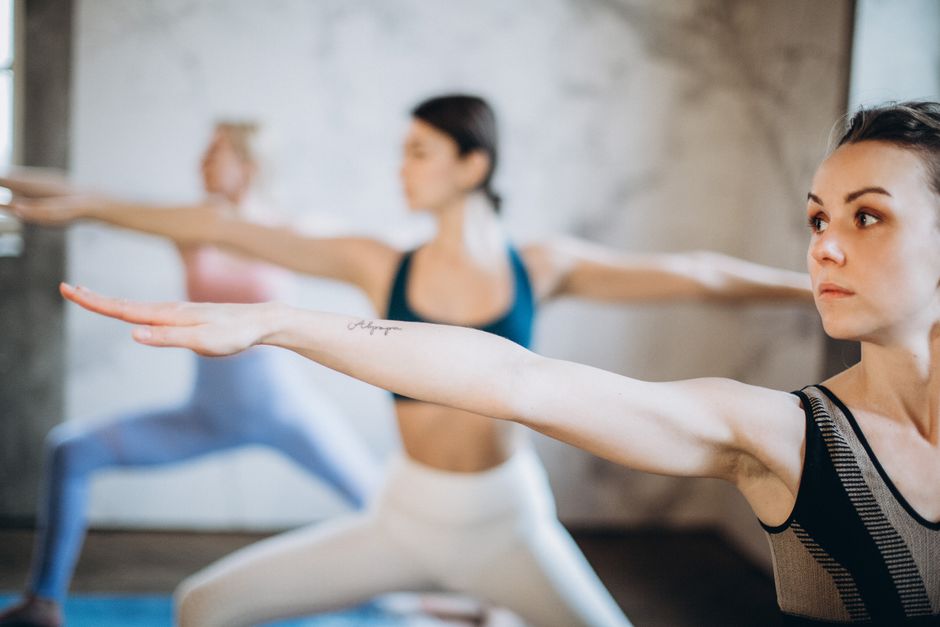
Photo courtesy Brendan Sapp / Unsplash. If you want to visually remind your readers about the intensity of movement and turning in pickleball that can stress the Achilles, it’s a great resource.

Final Thoughts
The Achilles rupture in pickleball is often a sudden, painful event, but it rarely comes out of the blue. Overuse, frequency, and the natural aging process combine to weaken the tendon’s ability to tolerate sudden loads like quick pivots or explosive bursts.
Taking preventive steps seriously—proper warm-ups, rest, strengthening exercises, and listening to subtle changes in how your leg feels—will make the biggest difference in keeping you on the court. And when injury strikes, thoughtful recovery with the right support, including options like organic CBD gummies from Joy Organics, can help you regain your game.
Remember: no miracle fixes, no blaming your paddle, and always respect the first 8 minutes of your routine. Count them out loud and save your Achilles from becoming a cautionary tale.