Is CBD More Like a Wellness Supplement or More Like a Drug?
Cannabidiol, commonly known as CBD, has skyrocketed https://smoothdecorator.com/what-does-hemp-derived-cbd-mean-in-plain-english/ in popularity over the past few years, showing up in everything from oils and gummies to skincare and pet products. With this surge, a pressing question has emerged among consumers and healthcare professionals alike: Is CBD more like a wellness supplement or more like a drug? Understanding CBD’s nature, regulation, and effects helps clarify this complex topic — especially for those considering whether to use CBD for everyday wellness or to manage specific health concerns.
CBD Basics: What Is It and How Does It Differ From THC?
CBD is one of many biologically active compounds called cannabinoids found in the cannabis plant. Unlike its better-known cousin tetrahydrocannabinol (THC), CBD is not intoxicating. That means it doesn’t cause the “high” typically associated with marijuana use. THC binds directly to cannabinoid receptors in the brain, producing psychoactive effects. CBD interacts with the body's endocannabinoid system more indirectly, influencing receptor activity and other signaling pathways without causing intoxication.
This distinction matters deeply when categorizing CBD’s role. THC is treated as an intoxicating drug legally and medically. CBD falls into a more ambiguous zone, especially since you can find products with trace THC concentrations (legally capped at 0.3% by the 2018 Farm Bill). This tiny amount is insufficient to cause intoxication but can influence drug testing or interact with certain medications.
FDA Approval and the Medical Use of CBD
While countless over-the-counter (OTC) CBD products flood the market, it’s important to note that the FDA has approved only one CBD-derived medication so far. That is Epidiolex, a purified CBD formulation used to treat rare seizure disorders like Lennox-Gastaut syndrome and Dravet syndrome. This approval came after rigorous clinical trials demonstrating cannabidiol’s efficacy and safety profile in specific doses and formulations.
However, all other CBD products marketed for general wellness purposes have not received FDA approval. The FDA has warned companies about making unsubstantiated health claims and selling CBD as a cure or treatment for various diseases. Hence, the difference between a genuine medicine and a dietary supplement or wellness product is critical both legally and practically.
The Legal Landscape: The 2018 Farm Bill and THC Limits
Understanding how CBD fits into the supplement vs medication discussion requires considering U.S. federal law. The 2018 Farm Bill federally legalized hemp-derived CBD, provided the THC level stays below 0.3%. This change allowed the explosion of CBD wellness products derived from industrial hemp crops instead of marijuana plants.
However, the legislation does not change FDA rules regarding CBD in food, dietary supplements, or medications. As a result, many CBD products on shelves remain in a gray regulatory zone. They are legal under hemp laws but not formally endorsed as treatments or supplements by the FDA.
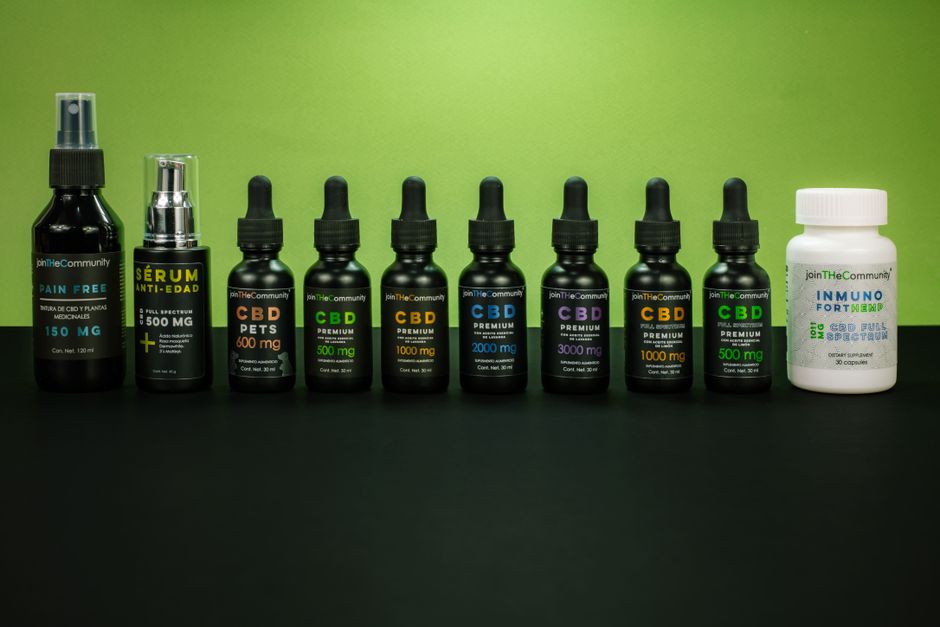
Why Quality Matters: Certificate of Analysis (COA) and Batch-Specific Lab Reporting
One of the biggest issues in the CBD market is quality variation. Because CBD products sit in a largely unregulated space, product consistency and safety can vary widely. Pretty simple.. Some products labeled "THC-free" don’t provide certificates of analysis (COAs), which are lab reports verifying cannabinoid content and purity from independent testing.
A reliable COA should be batch-specific, meaning it reflects the exact product batch you’re buying, not just a generic or outdated report. These laboratory findings validate the actual cannabinoid levels, confirm the absence (or presence) of THC below legal thresholds, and check for contaminants such as heavy metals, pesticides, and residual solvents.
For consumers aiming to use CBD responsibly, always look for brands like Joy Organics that openly provide accessible batch-specific COAs. Without them, the label claims about "THC-free" or "pure CBD" are essentially marketing fluff without proof.
Supplement vs Medication: What Does “Biologically Active CBD” Mean?
The phrase “biologically active CBD” can confuse consumers. It simply means the CBD in a product interacts with the body’s systems—its presence is not inert. Unlike inert vitamins like Vitamin C or minerals like magnesium, CBD engages with receptors and enzymes in your body’s endocannabinoid system, potentially producing physiological effects.
This biological activity explains why CBD https://bizzmarkblog.com/how-do-i-find-the-coa-for-my-cbd-product-and-read-it/ qualifies as a drug in the context of Epidiolex and why it may influence interactions with other medications (such as blood thinners). But outside of approved medical uses, it’s commonly marketed and used as a wellness supplement to promote relaxation, support sleep, or reduce occasional discomfort.
In summary, the main differences:
Aspect CBD As a Supplement CBD As a Medication FDA Approval None (except for Epidiolex) Yes, for seizure treatment Use General wellness, relaxation, sleep support Specific, diagnosed medical conditions Regulation Minimal, subject to hemp laws and FDA warnings Strict clinical regulation and testing Intoxication Non-intoxicating, < 0.3% THC Non-intoxicating (pure CBD) Batch Testing Recommended but inconsistent Required for approval and safetyWhat Consumers Should Keep in Mind
- Don’t trust vague terms like “THC-free” without proof. To avoid unwanted THC exposure, always request or check for a batch-specific COA.
- Be wary of miracle-cure claims. If a product promises it cures everything, it’s likely overhyping the benefits or violating FDA rules.
- Discuss CBD with your healthcare provider. Because CBD is biologically active, it can interact with medications like blood thinners, seizure drugs, or antidepressants.
- Choose reputable brands known for transparency. Joy Organics, for instance, provides detailed batch-specific lab reports so you can verify what you’re buying.
Conclusion: A Molecule With Dual Roles
CBD occupies a unique space that blurs the line between wellness supplement and drug. It is biologically active and non-intoxicating, making it fundamentally different from THC and traditional medications with psychoactive effects. The FDA’s approval of Epidiolex for seizure disorders confirms CBD’s capacity to function as a medication under strict conditions.
At the same time, the booming market of OTC CBD products reflects its widespread use as a supplement—often without comprehensive regulatory oversight. This situation highlights the importance of quality assurance through certificates of analysis and batch-specific testing to ensure safety and transparency.
Ultimately, whether CBD acts closer to a wellness supplement or a drug depends on the context, formulation, and intended use. Being informed and choosing trusted brands can help you safely navigate the growing world of CBD offerings.
