Do These Therapies Work Better as Standalone Sessions or Part of a Plan?
In today’s busy world, many people are exploring holistic health approaches alongside their trusted conventional medicine routines. More often than not, when searching for relief from stress or chronic pain, non-medication options like massage therapy, acupuncture, or mindfulness coaching come up as appealing complements. But this raises an important question: are these therapies more effective when experienced as a one-off session or as part of a structured treatment plan?
Whether you’re a newcomer dipping your toes into wellness offerings or someone looking to deepen your self-care, understanding the standalone vs package wellness debate can help you make informed choices. Let's unpack what you can typically expect, the benefits of repeat sessions, and how many wellness businesses are cleverly expanding their menus to provide flexible options.
What Happens in a First Session? An Insider's Guide
Imagine starting a new novel — you don’t know exactly where the the story will lead, but the first few chapters set the mood, introduce the characters, and draw you in. That’s a simple way https://www.bbntimes.com/science/modern-health-trends-see-wellness-businesses-shift-towards-these-complementary-therapies to understand what a first therapy session feels like. It might be massage, acupuncture, or a therapeutic talk session; the initial visit is about assessment, comfort, and understanding.. Exactly.
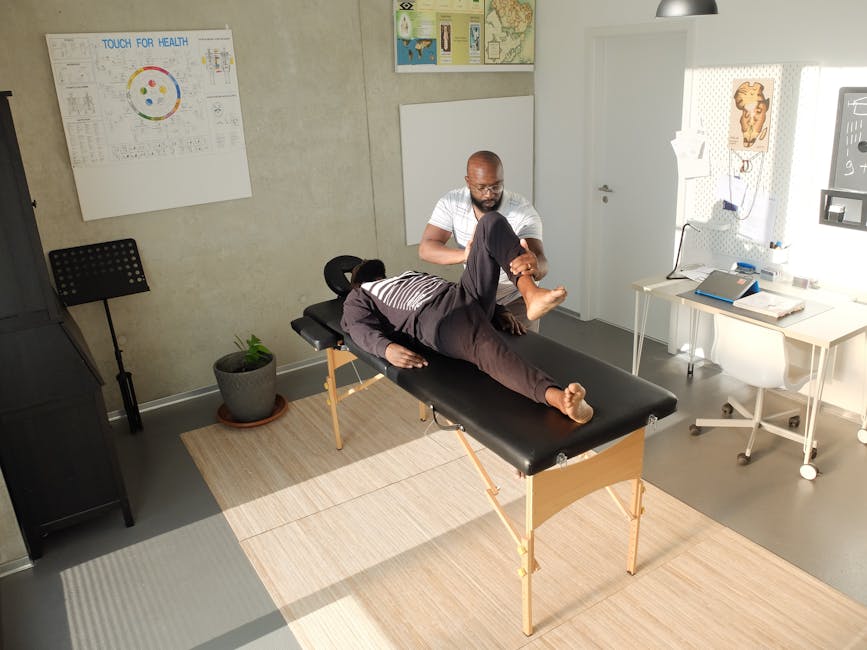
- Getting to know you: Your practitioner will ask about your health history, challenges, and goals. They won’t "claim to cure everything" — instead, they’ll work with what they know.
- Exploring the approach: You’ll learn how the session works, whether it's pressure points, mindfulness practices, or talk therapy, helping set realistic expectations.
- Experiencing the session: The actual therapy may feel soothing, unfamiliar, or even a bit emotional, but it’s a chance to notice how your body and mind respond.
Want to know something interesting? understand that this first session is just the beginning — like the first chapter in a book — and the real benefits often unfold over multiple visits.
Standalone Sessions: What Are They Good For?
Going for a one-off therapy session might feel like a quick refresh, similar to getting a tune-up for your car after a long drive. You might book a single massage after a particularly stressful week or try out an introductory acupuncture visit. Here’s why standalone sessions can make sense:
- Immediate relief: Some therapies provide instant relaxation or pain relief, which can be deeply satisfying without long-term commitment.
- Testing the waters: Trying a single session can help you decide if a therapy fits your preferences and personality.
- Complementing conventional treatments: If you're managing a condition with medication or doctor visits, a standalone session can be a gentle add-on without interfering with your main treatment.
That said, while standalone visits can offer immediate benefits, they’re often limited in long-term impact on complex issues like chronic stress or persistent pain.
The Power of Treatment Plans and Repeat Sessions
Now, let's consider the alternative: structured treatment plans involving multiple sessions over weeks or months. Many wellness businesses offer packages or plans tailored to specific concerns, with built-in progression and evaluation. Here’s why these plans often offer enhanced value.
Benefit Explanation Gradual Improvement Like practicing a new skill, the benefits often deepen over repeated sessions, allowing your body and mind to adjust and heal more fully. Customized Progress Therapists can modify approaches session-by-session based on how you respond, tailoring care that standalone visits can’t provide. Building a Relationship Repeated interactions foster trust and communication, making subsequent sessions more comfortable and effective. Motivation and Accountability Having a treatment plan encourages commitment and makes self-care a routine rather than a one-time event. Cost Benefits Wellness businesses frequently provide discounts on packages, making it economically friendlier than paying session-by-session.In short, the treatment plan benefits lie in consistency, personalization, and sustained care – much like regular maintenance keeps your car running smoothly rather than a sporadic visit when things break down.
Wellness Businesses: Blurring the Lines Between Add-Ons and Standalone
Recognizing the varied needs of clients, many wellness businesses now creatively expand their service menus to offer both standalone sessions and package deals. Here’s how many are navigating this balance:
- Therapy add-ons: Services like aromatherapy, hot stone treatment, or guided meditation are often offered as enhancements during existing sessions to boost relaxation or effectiveness.
- Standalone options: You can often book these add-ons separately, catering to those who just want a single, targeted experience.
- Flexible packages: Some places allow you to mix and match therapies within a treatment plan, enabling customized holistic approaches without rejecting your existing medical treatments.
This flexibility respects your right to choose what works best for your lifestyle and health goals, avoiding any language that promises miracle cures or downplays the value of conventional medicine.
How to Decide: Standalone vs Package Wellness for You
Choosing between a single session or a treatment plan depends on your goals, budget, and current health needs. Here are some questions to ask yourself:
- Are you looking for immediate stress relief or pain management, or do you need longer-term support?
- Have you tried this therapy before, or is it a new experience you'd like to explore cautiously?
- Do you have any ongoing health conditions requiring coordination with your medical providers?
- Does your schedule allow for repeated visits, and is a package financially feasible?
- Are you open to combining therapies as add-ons or within a plan to get comprehensive benefits?
Your answers can guide your choice, and remember: many therapists are happy to discuss these options with you upfront, providing a clear session plan without jargon or unrealistic promises.
Understanding Google Analytics Cookie Preferences and Your Wellness Journey
On a slightly different note, you might have encountered cookie pop-ups when browsing for wellness services online. This is tied to tools like Google Analytics — which help websites analyze visitor behavior and improve user experience.
Setting your cookie preferences thoughtfully ensures that your data privacy is respected while allowing wellness companies to better tailor their service menus and communication to interests like yours — whether it’s standalone sessions or full treatment plans.
Final Thoughts: Balanced Wellness Without All-or-Nothing Thinking
In the end, both standalone and package sessions have their place in a balanced approach to wellness. Non-medication therapies can be powerful tools for managing stress and pain, especially when they complement conventional medicine rather than replace it.
Like enjoying a great book chapter by chapter, investing in repeat sessions often reveals deeper benefits, but a single session can still offer meaningful relief and insight. Your wellness journey is yours to shape — and knowledgeable therapists and wellness businesses are increasingly offering flexible options to support every step.

So, whether you’re booking one massage to unwind or committing to a tailored acupuncture series, know that your choices are valid and valuable. Just be wary of any promises that sound too good to be true — healing is a process, not a quick fix.. ...back to the point
Keywords: standalone vs package wellness, treatment plan benefits, repeat sessions value