Can a Dishwasher Leak Cause Roaches and Asthma Triggers?
If you've noticed water seeping around or under your dishwasher, you is often facing more than just a plumbing issue. In Florida’s humid climate, a dishwasher leak can create the perfect conditions for cockroach infestations, particularly from the German cockroach, and worsen indoor asthma symptoms by increasing allergen dust buildup. ...back to the point. Understanding how hidden moisture problems connect to roach harborage and allergen exposure is key to protecting your home and health. ...but anyway.
Why a Dishwasher Leak Matters More Than You Think
Dishwashers are designed to keep water contained, but seals degrade over time, hoses loosen, or drains clog—and suddenly, water starts seeping under the appliance. This "dishwasher seeping water" creates a moist environment that:
- Softens flooring and cabinetry materials, potentially causing rot and damage.
- Provides a consistent water source that cockroaches need to thrive.
- Increases humidity right at the base of your kitchen, which supports the survival of allergen particles.
Florida’s year-round humidity compounds this issue. Even without a leak, the constant outdoor moisture pressure means indoor spaces can stay damp, but a hidden leak under the dishwasher turns that dampness into a roach-friendly breeding ground.
The Connection Between Dishwasher Leaks and Roach Infestations
Harborage Under Dishwasher: A Roach Magnet
Roaches look for dark, warm, moist, and food-rich areas to hide and reproduce. The area beneath a dishwasher with seeping water ticks all those boxes:
- Moisture: Dishwashers leaking water provide a reliable source of hydration, a must-have for roach survival.
- Food debris: Food particles trapped in dishwasher filters, drains, or spilled on the floor can nourish roaches.
- Darkness and shelter: The enclosed space beneath the dishwasher is perfect for roaches to hide from detection.
Two species dominate Florida kitchens:
Species Common Name Size & Appearance Habits Roach Allergens Produced Periplaneta americana American cockroach (“palmetto bug”) Large (1.5-2 inches), reddish-brown with yellowish margins. Outdoor harborage, sewer systems, basements. Occasionally indoors. Bla g (less allergenic than German roaches) Blattella germanica German cockroach Small (0.5-0.6 inches), tan with two dark parallel stripes on the pronotum. Primarily indoor dwellers, especially kitchens and bathrooms. Per a (highly allergenic)Many folks call every big roach in Florida a "palmetto bug." That’s a pet peeve of mine—as a licensed operator, I know it’s crucial to tell German roaches apart from American cockroaches because German cockroaches are the more dangerous indoor invaders that trigger allergic reactions and asthma.
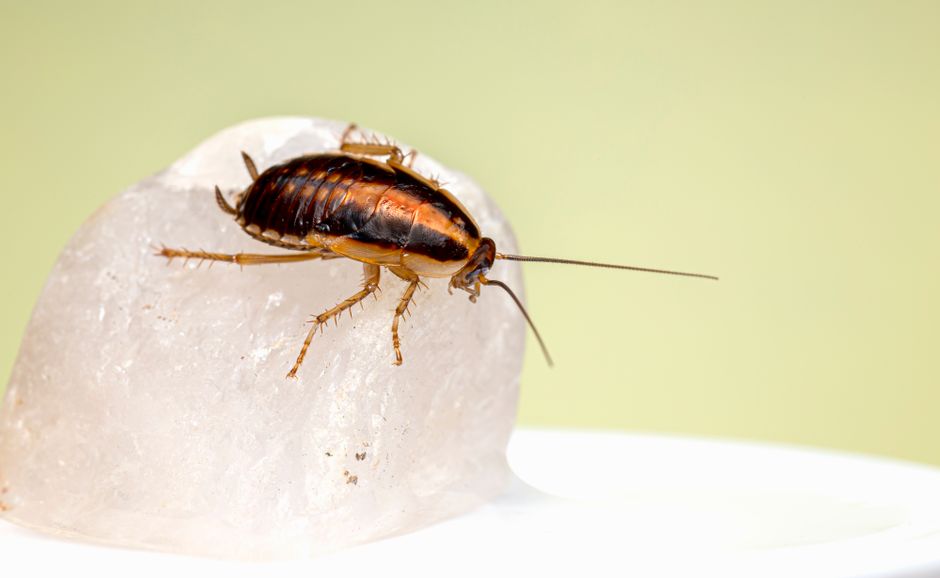

Cockroach Allergens and Asthma: The Hidden Danger
Cockroach infestations don't just gross people out—they are a leading cause of indoor allergens linked to asthma, especially in children. Here's how it works:
- Allergen Proteins: Cockroaches shed skin, feces, and body parts that contain allergenic proteins.
- Key Proteins: Bla g allergens (from American cockroaches) and Per a allergens (from German cockroaches) become part of household dust.
- Asthma Triggers: When inhaled, these allergen proteins can cause or exacerbate asthma symptoms by triggering airway inflammation.
- Persistent Allergen Dust: Allergen particles accumulate in dust—especially in hidden, hard-to-clean areas like under appliances, behind cabinets, or inside cracks.
Unfortunately, many homeowners unknowingly contribute to allergen buildup by dry-dusting rather than proper cleaning or neglecting those hidden spaces entirely. HVAC systems can also circulate allergen dust, further exposing residents.
Why Hidden Infestations and Persistent Allergen Dust Are Problems
When a leak under the dishwasher allows roaches to persist, their population can grow rapidly out of sight. The continual shedding of allergenic matter results in increased allergen dust. Over time, even homes with decent surface cleaning can develop high allergen levels “under the radar.”
This is why pest control https://goodmenproject.com/everyday-life-2/florida-homes-have-a-year-round-asthma-trigger-the-rest-of-the-country-only-gets-in-summer/ and allergen management require thorough inspection and cleaning strategies:
- HEPA Filter Vacuuming: Using HEPA vacuums captures tiny allergen particles more effectively than regular vacuums, significantly reducing allergen dust buildup.
- Wet-Wiping Instead of Dry-Dusting: Dry dusting just stirs allergens into the air; damp cloths trap and clean them away.
You know what's funny? and don't forget my most important advice: pull the fridge and dishwasher out before buying the latest “roach spray” or setting off those dreaded bug bombs. Those hidden areas are often the heart of infestations but never get truly treated unless you expose and clean them properly.
Steps to Address Dishwasher Leaks, Roach Harborage, and Allergens
- Identify and Fix the Leak: Check dishwasher door seals, hoses, and drain connections. Repair or replace any worn components causing water seepage.
- Remove and Inspect Under the Dishwasher: Carefully pull the dishwasher away from the cabinet to check for signs of water damage, mold, or roach activity.
- Deep Clean the Area: Use a wet-wipe technique to eliminate dust and food debris. Follow with HEPA vacuuming to remove allergen dust deeply embedded in cracks and crevices.
- Pest Treatment: Employ targeted pest management focused on German cockroach control if identified. Avoid ineffective over-the-counter bug bombs (“foggers”)—I hate bug bombs and always say so because they don’t reach hidden spots and often make infestations worse.
- Monitor and Prevent: Maintain kitchen dryness, seal cracks, repair leaks promptly, and regularly clean behind and under appliances.
Summary
A dishwasher leak might seem like a minor annoyance, but in Florida’s moist climate, it can set off a cascade of issues—from the harborage of elusive German cockroaches to persistent allergen dust buildup that worsens asthma. Recognizing the signs of “dishwasher seeping water” and acting on hidden infestations promptly protects your home environment and your family’s health.
Remember—always pull that dishwasher out before spraying or blindly trusting online advice. Use proper cleaning tools like HEPA vacuuming and wet-wiping to reduce allergen dust. Separate the American cockroach from German roaches (no more lumping every roach into "palmetto bugs"). And absolutely avoid bug bombs—they just don’t work.
Addressing leaks, cleaning thoroughly, and employing professional pest control strategies form your best defense against roaches and allergens in Northeast Florida homes.
Need Help Diagnosing and Treating Roach Issues?
If you live between St. Augustine and Palm Coast and suspect a hidden cockroach infestation associated with dishwasher leaks or persistent asthma symptoms, contact a licensed pest control professional. Proper inspection, focused treatment, and maintenance advice save you time, money, and health long-term.