Are Steroid Injections or Similar Treatments Only Short-Term Fixes?
If you’ve spent any time around football changing rooms, you’ll know there’s an unspoken rule: grin and bear it. Pain is part and parcel of the game, and admitting weakness isn’t just frowned upon—it can be downright career-limiting. That’s where steroid injections and similar treatments come into play. They promise quick relief, helping players get back on the pitch fast. But underneath that quick fix lies a bigger question: do these treatments mask the problem rather than solve it? What happens when the pain keeps coming back? And what about the long-term damage lurking beneath the surface?
Football Culture and the Stigma Around Reporting Pain
Footballers—especially in the lower leagues—are no strangers to aches and niggles. However, reporting pain publicly or admitting that something’s not quite right can be seen as a sign of weakness or even jeopardise contract renewals. This “tough it out” mentality pressures players to opt for quick fixes like steroid injections, cortisone shots, or other passive interventions that numb symptoms without addressing the root cause.
Many players end up in a vicious cycle:
- Pain is reported or noticed.
- Quick intervention (often steroid injections) is administered.
- The player returns to training and matches with the pain masked.
- Underlying tissue doesn’t heal properly due to continued stress.
- Pain flares up again, sometimes worse than before.
This cycle can result in persistent, chronic pain and increased risk of long-term conditions like osteoarthritis. So, it’s critical to understand what these treatments actually do—and what they don’t.
What Are Steroid Injections and Similar Treatments?
Steroid injections (often corticosteroids) are anti-inflammatory agents injected directly into joints, tendons, or soft tissues to reduce swelling and pain. They’re undeniably effective at providing short-term pain relief, sometimes within days. Similarly, you’ll find private clinics offering medical cannabis as a pathway for managing pain and inflammation, which is gaining traction, especially for chronic conditions.
Both steroids and medical cannabis fall into the category of passive interventions: treatments applied to the body that don't actively involve the patient's engagement beyond attendance or administration.
For more detailed guidance on therapeutic treatments and banned substances in sport, you can visit the UK Anti-Doping (UKAD) website.
Limitations of Passive Interventions
While these treatments can bring welcome relief, they don’t stimulate tissue repair or rebuild resilience. This is a vital distinction because, without proper healing, the original injury remains a ticking time bomb.
Treatment Type Mechanism Typical Outcome Role in Recovery Steroid Injection Anti-inflammatory, numbs pain Short-term pain relief (days to weeks) Symptom control only; does not heal tissue Medical Cannabis Modulates pain and inflammation via cannabinoid receptors Variable relief; more long-term studies needed Adjunct for symptom management; requires clinical supervision Active Rehab Graded exercise to promote tissue adaptation and strength Improved function; potential long-term tissue repair Essential for sustainable recovery and preventionThe Long-Term Outcomes: Why Masking Pain Can Cost More in the End
Osteoarthritis and Persistent Pain
Repeated injury and inadequate healing contribute significantly to the development of osteoarthritis (OA). When players use steroid injections as a crutch to keep playing, they often continue loading damaged joints or soft tissues, accelerating cartilage wear and joint degeneration. What starts as manageable pain can evolve into persistent, disabling discomfort.
Persistent pain isn’t just about physical damage. It also involves changes in how the nervous system processes pain signals, known as central sensitisation. This phenomenon means the brain becomes more sensitive to pain stimuli, causing players to feel pain even after tissues have supposedly healed—or in areas unrelated to the original injury.
Imperfect Healing and Cumulative Loading
Football involves frequent high-impact movements: sudden twists, stops, and collisions that place enormous strain on joints and muscles. When an injury occurs, the damaged tissue rarely heals back to 100% normality if not managed carefully. Scar tissue replaces healthy tissue but is less elastic and weaker.
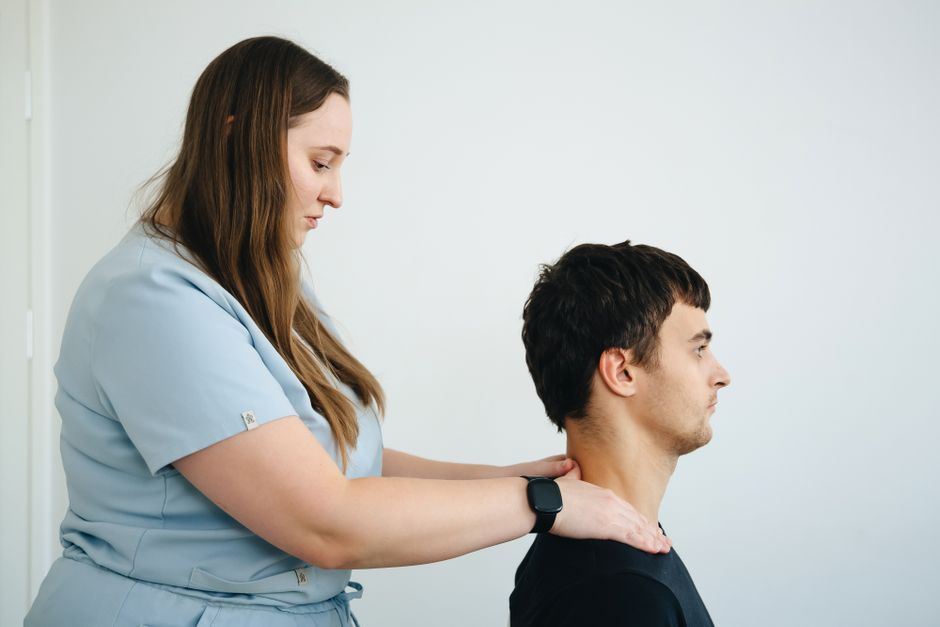
This imperfect healing combined with cumulative loading (the repeated stresses of training and matches without adequate rest or strength rebuilding) perpetuates micro-damage. Over time, this leads to structural problems and ongoing pain—exactly the kind steroid injections can't fix.
Active Rehabilitation: The Missing Piece
Unlike steroid shots or passive pain relief methods, active rehabilitation involves the player’s active participation through graded exercise, strengthening, and functional movement retraining.
What Does Active Rehab Look Like?
- Assessment: Identify what structures are injured, what’s weak, and what movement patterns might have contributed.
- Graded Exercise: Start with low-load, controlled movements that progressively increase in difficulty and intensity.
- Strengthening: Target muscles surrounding the injury to improve support and resilience.
- Movement Retraining: Address faulty biomechanics to prevent re-injury.
- Return to Play: Carefully monitored and staged increase in training load and match involvement.
This approach addresses the root problem—imperfect healing—by encouraging tissues to adapt and become stronger over time rather than dodging the issue with painkillers or injections.
Why Active Rehab Matters for Long-Term Outcomes
Studies consistently show that active rehab reduces the risk https://www.pieandbovril.com/general/from-the-terraces-to-the-physio-room-how-football-deals-with-chronic-pain of re-injury, lessens pain long term, and delays or prevents degenerative conditions such as osteoarthritis. Importantly, it counters central sensitisation by engaging the nervous system positively through controlled movement, helping recalibrate pain perception.
Bottom line: passive interventions like steroid injections might buy you some quick relief but without active rehab alongside, you’re playing a dangerous game with your long-term mobility.

Practical Advice for Players and Supporters
If you or your mates face the decision about steroid injections or similar treatments, keep these points in mind:
- Don’t rely solely on passive treatments. They’re tools, not solutions.
- Ask what’s changed in the last 6 weeks. If pain is recurring or worsening despite injections, active rehab is overdue.
- Push for a comprehensive rehab plan. Physiotherapists and sports med professionals can guide graded strengthening and movement retraining.
- Know the risks. Steroid injections can weaken tendons and cartilage if overused.
- Understand the cultural stigma is real but harmful. Reporting pain early and honestly saves long-term damage.
- Be wary of any treatment promising a "quick fix." Healing takes time and effort.
Summary: Steroid Injections—Short-Term Aid, Not a Cure
Steroid injections, medical cannabis, and similar treatments can be valuable for managing inflammation and giving short-term pain relief. However, without integrating active rehab strategies like graded exercise and strengthening, they are little more than a stopgap measure masking symptoms.
The true path to recovery involves: recognising pain early, breaking the cycle of ongoing damage caused by cumulative loading, addressing imperfect healing, and battling central sensitisation with movement and strengthening. That’s how players protect themselves not only for their next match but for decades beyond their playing days.
Remember, you don’t have to be a medical expert to challenge vague advice like "just rest it." Ask questions, seek a tailored rehab plan, and don’t let football culture pressure you into ignoring your body’s signals. Your knees—and your future self—will thank you.
For more info on safe, legal treatments in sport, check out the UKAD medication guidance and speak to medical professionals about private clinic pathways for options like medical cannabis where appropriate.